
TSMC Revenue Surges 50 Percent as AI Chip Demand Accelerates
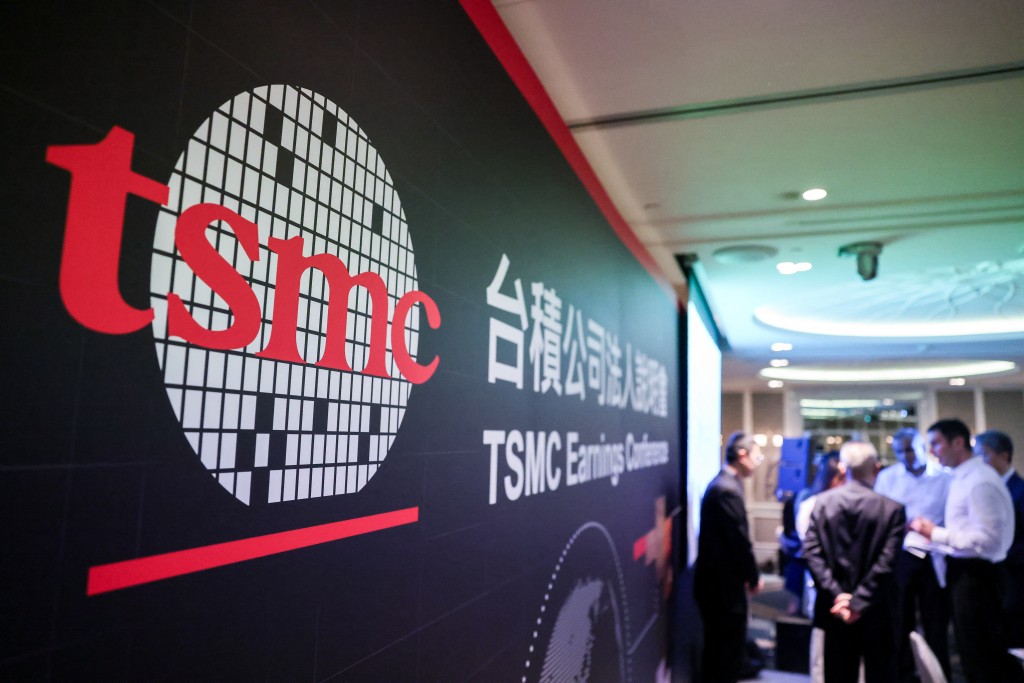
Taiwan Semiconductor Manufacturing Co. reported record third-quarter revenue of approximately NT$1.49 trillion ($46.71 billion), an increase of 50 percent from a year earlier, as demand for artificial intelligence applications continued to support advanced semiconductor manufacturing. Revenue exceeded the NT$1.46 trillion LSEG SmartEstimate based on forecasts from 19 analysts, according to Reuters.
The world’s largest contract chipmaker also surpassed its July revenue guidance of $44.6 billion to $45.8 billion for the quarter. The result reinforces the scale of semiconductor production supporting AI infrastructure investment, while placing greater attention on manufacturing profitability and the capital required to expand capacity.
September revenue reached NT$511.86 billion, up 54.6 percent from a year earlier and down 0.6 percent from August, according to the company’s October 8 disclosure. Consolidated revenue for the first nine months of 2026 totaled NT$3.90 trillion, an increase of 41.1 percent from the comparable period in 2025.
Advanced Manufacturing Supports Revenue Growth
TSMC manufactures advanced processors for customers including Nvidia and Apple, positioning its fabrication operations within the supply chain for AI computing and consumer electronics. Expanding demand for high-performance processors has increased the importance of leading-edge manufacturing capacity, particularly as technology companies invest in data centers and more sophisticated computing systems.
Third-quarter revenue increased 17.62 percent from the preceding quarter, according to Taiwan’s Central News Agency. Analysts cited by the agency attributed the performance to AI chip demand alongside inventory accumulation by smartphone manufacturers ahead of new product launches.
The distinction is important because TSMC’s monthly revenue reports do not separately disclose sales attributable to artificial intelligence. Its reported growth reflects multiple semiconductor applications, making it inappropriate to assign the entire increase to AI-related production.
Nevertheless, the revenue figures demonstrate substantial spending on semiconductor manufacturing during the quarter. Unlike forecasts of future AI adoption, chip production represents current commercial activity, although it does not establish the eventual financial returns on the computing infrastructure being deployed.
For investors assessing the AI infrastructure cycle, this creates a distinction between demand for manufacturing capacity and the economics of the systems that capacity supports. Sustained semiconductor orders can underpin production volumes, but the longer-term investment case also depends on utilization, manufacturing costs and customers’ returns on capital.
Margins and Capital Investment Remain in Focus
TSMC reported a gross margin of 67.7 percent and an operating margin of 60.3 percent for the second quarter of 2026. For the third quarter, management projected gross margins of 65.0 percent to 67.0 percent and operating margins of 56.0 percent to 58.0 percent, establishing a profitability benchmark against which the stronger revenue performance will be assessed.
Advanced semiconductor manufacturing requires substantial investment in fabrication facilities, equipment and process technology. Higher production volumes can improve utilization and distribute fixed costs across greater output, while overseas expansion and the introduction of new manufacturing processes can increase expenses during production ramps.
These competing forces make the relationship between revenue growth and margins particularly consequential. Additional manufacturing capacity can support future sales, but the associated investment must be committed before facilities reach full utilization, exposing returns to changes in demand and production schedules.
A moderation in orders from major technology customers could weaken utilization if AI infrastructure spending slows before newly developed capacity reaches expected production levels. Conversely, sustained demand for advanced processors could support operating leverage as manufacturing volumes increase, subject to the costs of expanding and upgrading production.
The third-quarter revenue figures indicate that semiconductor demand remained strong through September, but they do not resolve the profitability implications of the industry’s investment cycle. Revenue growth alone cannot determine whether capacity additions will generate returns sufficient to justify their cost.
TSMC’s October 15 earnings announcement will provide the next assessment of those economics. Reported third-quarter margins, fourth-quarter revenue guidance and updated capital expenditure plans will help establish whether record semiconductor sales are translating into durable operating performance.