
United States Imposes Sweeping Sanctions on International Criminal Court
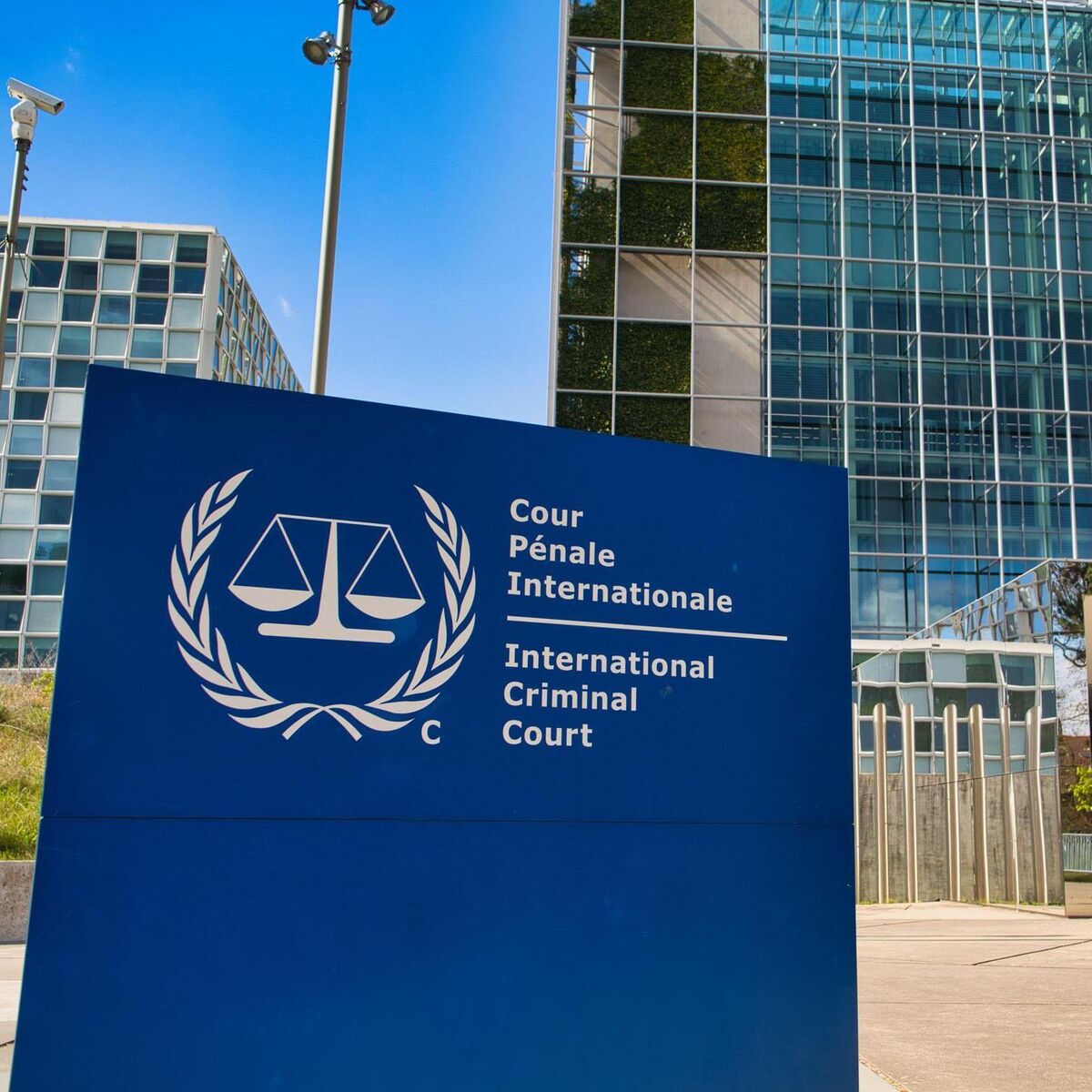
The United States imposed sanctions on the International Criminal Court (ICC) on October 9, 2026, extending restrictions beyond individual judges and prosecutors to the institution itself. The designation blocks the court’s property and interests in property subject to U.S. jurisdiction and generally prohibits transactions involving the tribunal unless authorized or exempted under U.S. sanctions regulations.
The State Department announced the measures under Executive Order 14203, which provides the legal framework for sanctions targeting the ICC. Secretary of State Marco Rubio said the administration would not permit the court to exercise jurisdiction over Americans and called on member states to address Washington’s objections.
The decision marks a significant escalation in the administration’s measures against the Hague-based tribunal, which investigates and prosecutes genocide, war crimes, crimes against humanity and the crime of aggression. The United States is not a party to the court’s founding Rome Statute, while the ICC has 125 member states.
Financial Restrictions and Temporary Licenses
The sanctions generally prohibit U.S. persons from engaging in transactions involving blocked ICC property without authorization. They also introduce compliance obligations for financial institutions and businesses providing services to the tribunal, including payment processing, technology infrastructure and other commercial arrangements.
The Treasury Department’s Office of Foreign Assets Control issued four general licenses authorizing specified activities despite the designation. General License 13 permits transactions ordinarily necessary for maintaining or winding down ICC operations and existing agreements through April 7, 2027. Separate licenses address telecommunications and enterprise software, pension payments and certain detainee-related activities.
These authorizations establish exceptions to the restrictions without removing the ICC’s designation. Businesses must determine whether particular transactions qualify under the applicable licenses, including their conditions and exclusions.
The State Department said the temporary authorization was intended to give ICC member states time to pursue diplomatic and legal arrangements addressing U.S. concerns. Washington indicated that the authorization could be adjusted depending on the outcome of those efforts.
Court Rejects U.S. Measures
The ICC rejected the sanctions, describing them as an attempt to obstruct its judicial work and undermine international legal institutions. ICC President Tomoko Akane said the court would continue fulfilling its mandate independently and impartially, while calling on member states to help preserve its operations.
The dispute creates challenges for European governments that support the tribunal while maintaining extensive financial and commercial relationships with the United States. Reuters reported that European officials had considered protective mechanisms intended to limit the extraterritorial effects of U.S. sanctions.
The immediate operational implications concern access to banking, payment systems and essential commercial services, rather than any demonstrated effect on broader financial markets. The extent of potential disruption will depend on how businesses implement the restrictions and apply the Treasury Department’s licensing provisions.
The expiration, modification or extension of the temporary operating authorization will be an important development in determining the court’s continued access to essential services.